
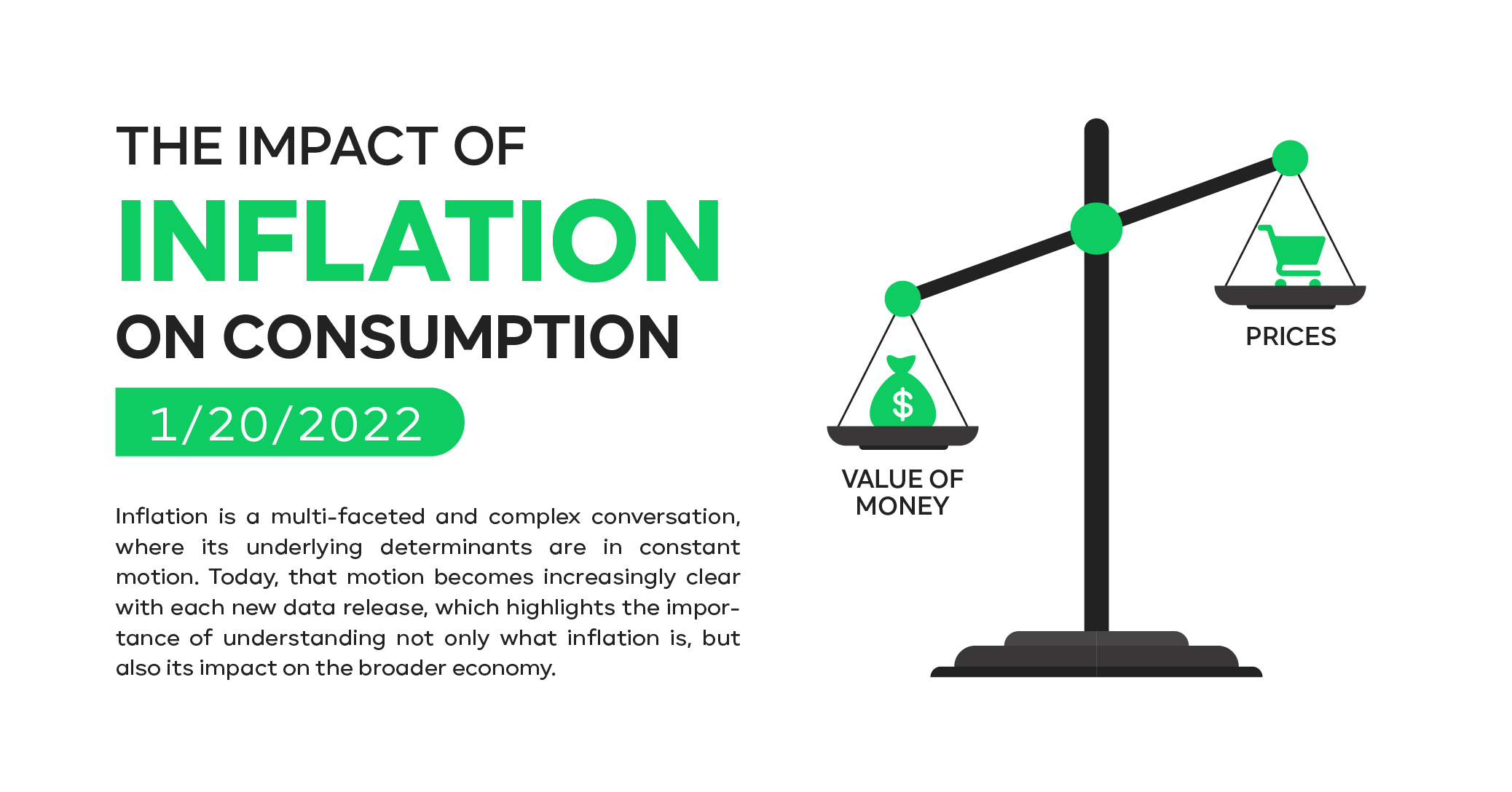
Inflation can feel like a silent thief, slowly chipping away at your purchasing power. You go to the grocery store and notice your usual items cost more. Filling up your gas tank puts a bigger dent in your wallet. This is the reality of inflation, and understanding its inflation impact on your everyday life is crucial for managing your finances effectively.
Key Takeaways:
- Inflation reduces the purchasing power of your money, making everyday goods and services more expensive.
- Housing, food, and transportation costs are significantly affected by inflation, impacting household budgets.
- Strategies like budgeting, reducing discretionary spending, and exploring investment options can help mitigate the inflation impact.
- Understanding economic indicators and staying informed about market trends allows for better financial planning during inflationary periods.
Understanding the Inflation Impact on Groceries
One of the most noticeable effects of inflation is at the grocery store. The prices of essential food items, from bread and milk to meat and vegetables, tend to increase. This inflation impact forces consumers to make tough choices about what they can afford to buy. You might find yourself switching to cheaper brands, buying less organic produce, or reducing the amount of meat you consume. For families on a tight budget, these rising food prices can be particularly challenging, potentially leading to food insecurity. The gb government tracks food price inflation to assess the overall economic well-being of households.
How Inflation Affects Your Housing Costs
Housing, whether you rent or own, is another area significantly affected by inflation. Rent prices often rise in response to inflation, as landlords seek to maintain their profit margins and cover increased operating costs. For homeowners, property taxes and insurance premiums may also increase, adding to the overall cost of owning a home. Rising interest rates, often implemented to combat inflation, can also make it more expensive to buy a home, putting homeownership out of reach for some. This inflation impact on housing can be a major strain on household finances, especially in cities with already high housing costs.
The Impact on Transportation and Gas Prices
Transportation costs, particularly gas prices, are highly susceptible to inflation. As the cost of crude oil increases, so does the price at the pump. This inflation impact affects not only individual drivers but also businesses that rely on transportation, leading to higher prices for goods and services across the board. Consumers may respond by driving less, using public transportation more often, or investing in more fuel-efficient vehicles. However, for those who rely on their cars for work or essential errands, these options may not be feasible, making the inflation impact on transportation particularly burdensome.
Mitigating the Inflation Impact: Practical Strategies
While you can’t control inflation, you can take steps to mitigate its impact on your finances. Creating a budget is a crucial first step, allowing you to track your income and expenses and identify areas where you can cut back. Reducing discretionary spending, such as dining out or entertainment, can free up more money for essential needs. Exploring investment options that offer returns that outpace inflation can help preserve your purchasing power over time. Staying informed about economic indicators and market trends allows you to make more informed financial decisions during inflationary periods. By proactively managing your finances, you can weather the storm of inflation and protect your long-term financial well-being.

